By now, the conversation isn’t whether the media landscape has changed; it’s how fast we can adapt to it. The playbook for media buying is undergoing a fundamental rewrite right now. It’s not waiting for some farflung
distant future.

By now, the conversation isn’t whether the media landscape has changed; it’s how fast we can adapt to it. The playbook for media buying is undergoing a fundamental rewrite right now. It’s not waiting for some farflung
distant future.

In a rapidly shifting TV landscape, advertisers who view linear and streaming channels as competing silos are missing out on massive opportunities. A smarter, more cohesive TV strategy meets modern audiences where they are watching.

Streaming has entered a new phase—and so has the way advertisers buy inventory. Today’s advertisers are asking for more. They want transparency, flexibility, and greater control over where their messages appear. NYI’s VP of Advanced Advertising, Jason Swartz, explores the game-changing evolution in streaming, including fixed inventory and precision targeting.
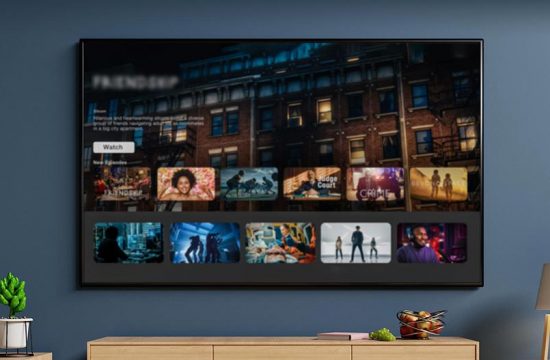
Unlocking CTV’s full potential in today’s media landscape is essential for success. In her latest article, NYI’s VP of Research & Data, Betsy Rella, reveals how advertisers elevate their CTV strategy by prioritizing quality, demanding transparency, measuring outcomes, and choosing partners that empower them.

NYI’s VP of Regional Sales, Tom McLoughlin, explores a multi-layered approach that combines traditional TV and streaming with emerging opportunities to offer new ways to engage audiences and drive results.

Explore how the shift in Addressable TV to a core advertising strategy marks an alignment of TV advertising with modern viewing habits, it’s reshaping of media planning, and the unique strengths in audience reach.

NYI’s CEO Andrew Kandel explores the balance between maintaining brand visibility and managing financial risks. It’s natural to go looking for an anchor, and TV represents a media plan’s throughline—a solid foundation in uncertain times. It’s the medium that ensures broad audience engagement and adapts to the evolving regulatory landscape, providing both stability and growth potential.

The narrative around TV viewership often centers on its decline. But the truth is more nuanced. Despite the rise of streaming, people still watch traditional TV for an average of four hours daily. eMarketer expects that to continue well into 2025, with time spent remaining above four hours daily. This isn’t just a lingering habit—it’s a significant opportunity for marketers.
The current surge in women’s sports is not just a fleeting moment—it’s a significant shift, marking the arrival of women’s sports as an essential part of an advertiser’s media buy. This evolution is not to be ignored—everything from historic milestones to shifting viewing habits is sparking this change.
The Olympic Games represent the absolute pinnacle of advertising events. Exciting, triumphant, and inspiring, there’s simply no other shared TV experience quite like it. And in 2024, particularly for U.S. advertisers, the opportunity has never been richer.
In a world that seems more divided than ever, there is one event that stands as a beacon of unity and excitement — the Olympics. For brands, it represents the most compelling branding opportunity a brand can want.
TV advertisers are turning their focus to 2024 planning with (cautious) optimism. With technology as an ever-present catalyst – and as tested trends accelerate to full steam – this year promises to continue the evolution within the TV advertising space. NYI VP Tom McLoughlin discusses predictions that will fuel TV advertising growth and enhance value in the coming year.
As marketers, we understand the importance of targeting, measurement, and shifting allocations to achieve long-term success. However, when we exclusively focus on conversion-based marketing, we risk losing control of the campaign, as well as the imagination-fueled art behind impactful and memorable creative.
In the ever-changing world of TV advertising, it’s important to have a resilient and efficient ad spend foundation to ensure brand success. By adopting strategies that maximize ROI and extend the value of ad dollars, marketers can be better prepared to weather any challenge. NYI VP of Sales, Michael Minardi, explores three key strategies – enhanced addressability, streaming, and regional sponsorships – to establish a resilient foundation.
NYI’s VP of Advanced Advertising, New Business, and National Sales, Jason Swartz, provides a fresh perspective on advertising strategies by taking a closer look at the new TV landscape and its accompanying opportunities. In his article for AW360, Jason highlights important survival tactics for today’s TV reality, from the importance of following audiences to multi-screen strategies.
If Americans aged 50+ were their own country, they’d be the third-largest economy in the world. According to the AARP ‘Longevity Economy Outlook’ report, consumers aged 50 and up contribute $8.3tn each year in economic activity to the US economy, with a GDP that’s expected to triple by 2050. So why is this age group so neglected in media and marketing plans?
After a particularly turbulent three years, today’s travel brands are ready and eager to capitalize on the tremendous surge in traveler optimism in 2023. As they do, one thing is clear: times have changed.
In the TLNT article, “Return-to-Work Policies That Support Employee Wellbeing,” our own talent expert, Judy Courtney, discusses everything from how the landscape has changed over the last few years to what companies can do to continue to support the wellbeing of employees without sacrificing productivity or the benefits of office culture.
Michael Felicetti, NYI’s VP of News Sales, discusses why local news is such an important staple for advertisers, speaking to the importance of trust and credibility, connection to the community, and the high-value sponsorship opportunities that benefit advertisers and brands.